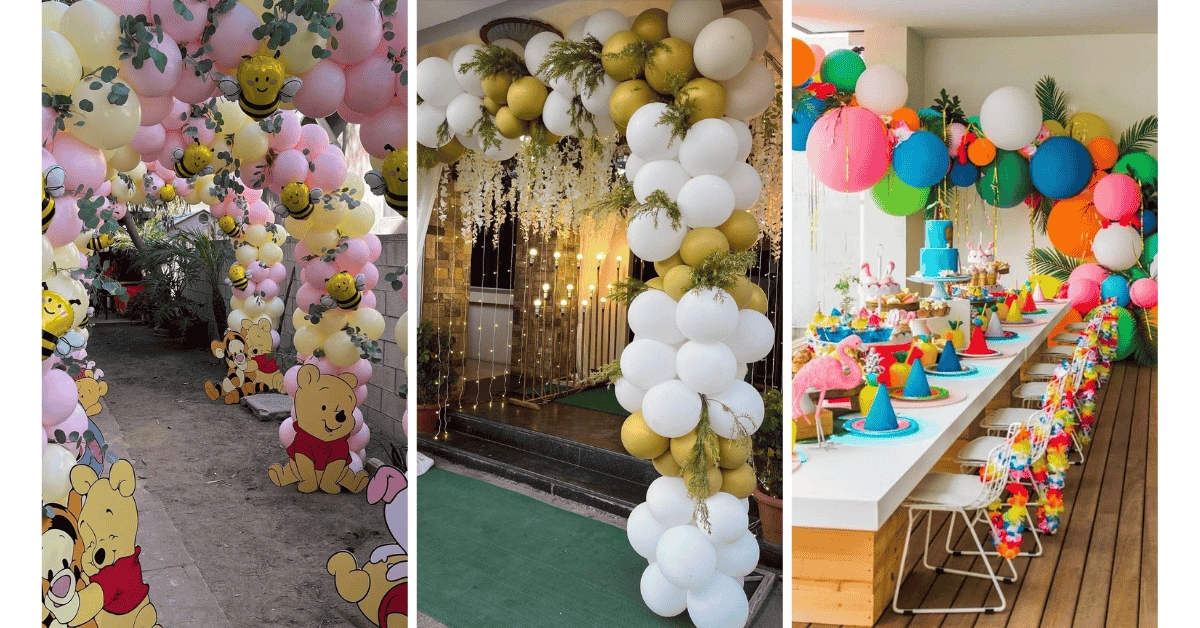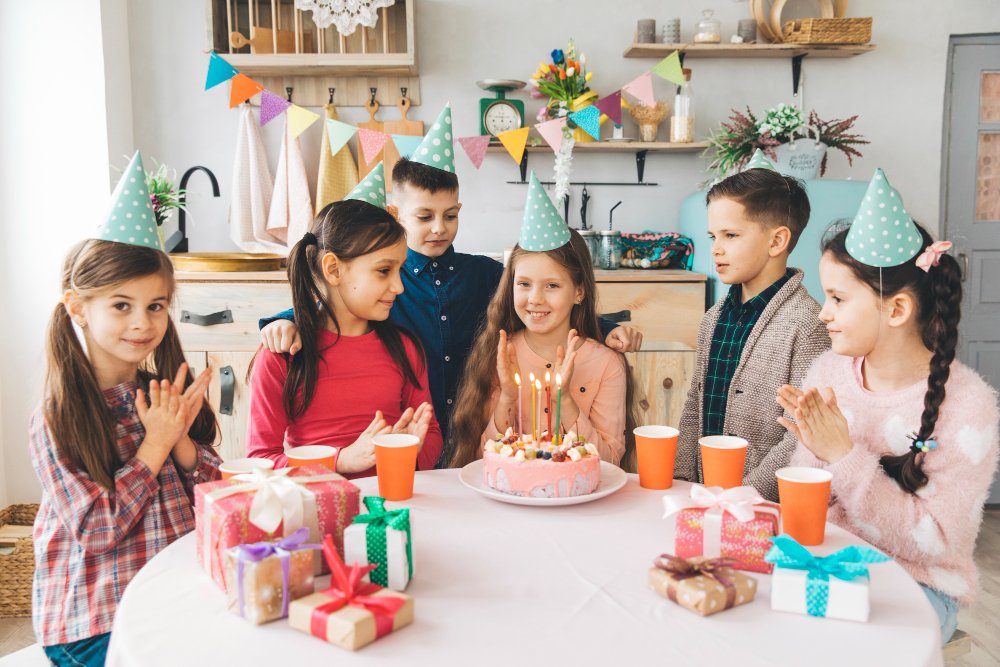
Decorating a kid’s birthday party at home doesn’t have to be complicated or expensive. I’ve found that simple, creative touches using materials you already have on hand or can easily find make the biggest impact.
The key is to focus on a clear theme and use DIY decorations that are fun, personalized, and budget-friendly.
I like to start by choosing a theme that excites the child, whether it’s superheroes, princesses, or a jungle adventure. From there, it’s about turning everyday items into decorations like balloon garlands, handmade banners, and themed table settings. These small details create a festive atmosphere without overwhelming your space or your budget.
My favorite approach is to involve the kids in some of the decorating, turning it into a fun activity itself. Crafting simple decor together not only saves time but adds a personal touch to the celebration. With this method, you can easily transform your home into a joyful party space that feels special and memorable.
Planning Your Kid’s Birthday Party

Planning a kid’s birthday party requires careful thought about key elements like the theme, guest list, and budget. These components guide every decision, ensuring the event is enjoyable and manageable.
Setting the Party Theme
Choosing a clear theme shapes the party’s decorations, activities, and invitations. I recommend starting with your child’s interests—favorite characters, hobbies, or colors are good anchors.
Once the theme is picked, select corresponding decor such as banners, tableware, and balloons. For example, a space theme might use star-shaped balloons and silver plates. Keeping the theme consistent creates a cohesive and fun atmosphere.
Custom invitations that match the theme help set expectations for guests. These can be digital or printed but should include the party’s date, time, place, and any special instructions.
Creating a Guest List
When deciding who to invite, I consider the available space and your child’s close friends or family. A smaller guest list keeps the party manageable and intimate.
Make a list that fits comfortably in your home without overcrowding. Include siblings’ friends only if your child wants them there.
It’s helpful to note any allergies or dietary restrictions now. This information will be useful when planning food and activities.
Finally, decide if parents will stay or drop off their children; this affects timing and supervision needs.
Establishing a Budget
A clear budget keeps party expenses under control. I start by listing major costs: decorations, food, activities, and favors.
Decide what’s most important—splurging on a themed cake versus DIY decorations, for example. Prioritize spending on items that impact your child’s experience most.
Keep a simple budget table for easy tracking:
| Item | Estimated Cost | Actual Cost |
|---|---|---|
| Decorations | $50 | |
| Food & Drinks | $75 | |
| Cake | $40 | |
| Activities | $30 | |
| Favors | $25 |
Stick to your limits and adjust plans if costs rise unexpectedly. This ensures you avoid last-minute financial stress.
Choosing Decorations
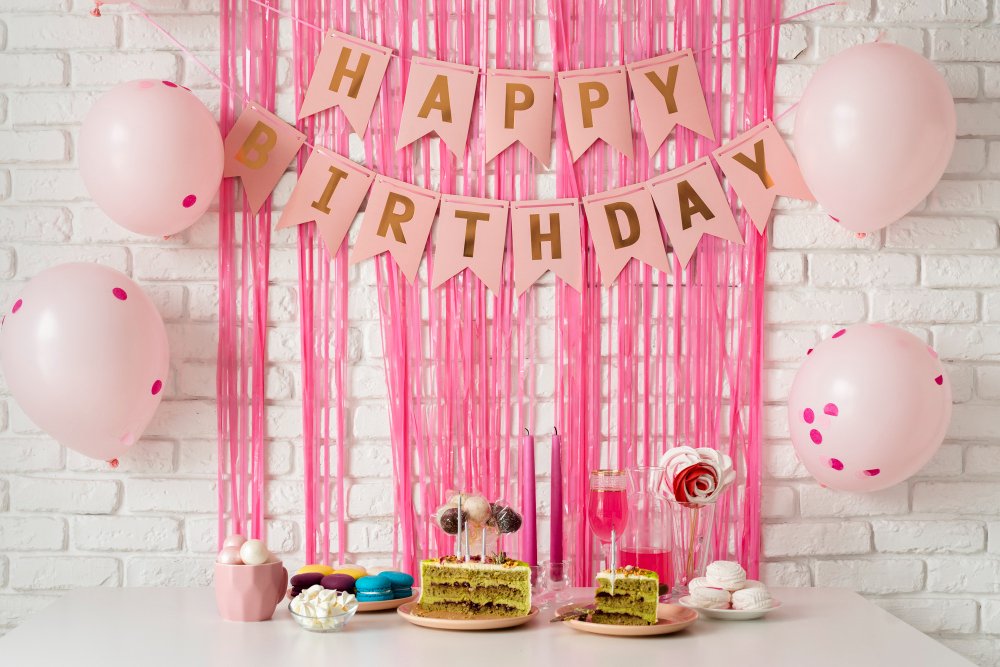
I focus first on creating a consistent look that ties the entire party space together. This involves picking colors and decor that reflect the party’s theme and the birthday child’s interests. Thoughtful choices can make the day feel special without overwhelming the space.
Selecting a Color Scheme
Choosing a color scheme simplifies decoration decisions and helps create a cohesive atmosphere. I usually pick two to three main colors that suit the theme or the child’s favorite shades. For example, a superhero party might use red, blue, and yellow, while a princess party could center on pink, white, and gold.
I pair these colors across balloons, banners, tableware, and even the cake. It’s important to keep consistency in mind to avoid a cluttered or mismatched look. Using metallic accents like silver or gold can add a subtle festive touch without needing extra elements.
Theme-Specific Decor Ideas
Decorations should reinforce the chosen theme to make the party immersive. For a jungle theme, I use lots of green streamers, animal cutouts, and leafy garlands. A space theme works well with stars, planets, and dark blue or black backgrounds.
I also include items that guests can interact with, such as themed photo booths or party hats. These enhance the child’s experience beyond visual appeal. Staying practical is key—select decorations that are easy to set up and safe for kids.
DIY Decoration Tips
I find that simple DIY decorations save money while personalizing the party. Paper garlands, hand-painted signs, and homemade centerpieces bring a unique feel. Materials like colored paper, tape, and string are usually enough to create effective decor.
Involve your child in creating these items, which adds excitement and personal value to the event. Balloons can be decorated with markers or stickers to match the theme easily. It’s best to plan DIY projects ahead to avoid last-minute stress.
Decorating the Main Party Area
Creating a festive and inviting party space means focusing on eye-catching elements like balloons, walls, ceilings, and table setups. I prioritize easy-to-install decorations that hold together the theme while maintaining a neat, organized space.
Balloon Arrangements
I use balloons as the first step because they set an immediate festive tone. Choosing a mix of sizes and colors aligned with the party theme helps create visual interest. For example, a cluster of large latex balloons paired with smaller foil shapes draws attention upward.
Using balloon weights or tying them to furniture ensures they stay put. Balloon garlands and arches are effective for framing entryways or the main activity area. I often add ribbon curls or LED lights inside clear balloons for added flair.
Helium balloons are great but require early preparation. Alternatively, I tape balloons to walls in a pattern. This can form shapes or backdrops without the need for heavy equipment.
Wall and Ceiling Decorations

Walls and ceilings offer a big impact without cluttering floor space. I hang themed banners, paper pom-poms, or streamers from the ceiling using removable hooks or tape. This gives the room vertical decoration and fills empty overhead space.
Wall decals or posters fit the party’s theme and provide a photo-friendly backdrop. I arrange them symmetrically or in a playful cluster depending on the vibe, ensuring nothing damages the walls.
If space allows, I include a combination of both walls and ceilings decorations to guide guests visually toward key spots like the cake table. Avoiding over-decoration keeps the area comfortable and accessible.
Table Centerpieces
Centerpieces serve as both decoration and a focal point during eating or activities. I select items that tie into the party theme such as small toys, themed confetti, or handmade crafts.
For practical setups, I choose low-profile pieces that don’t block sightlines or crowd the table. Balloons attached to small weights or floral arrangements in kid-friendly containers work well.
Adding some interactive elements like small goodie bags, bubbles, or puzzle pieces on tables combines decoration with entertainment. I keep centerpieces simple enough for easy clean-up but engaging enough to draw attention.
Setting Up Party Zones
Organizing your space into clear, purposeful zones helps keep the party flowing smoothly. Each area should be easy to access and visually appealing, tailored to the specific activities and needs of the celebration.
Cake and Food Display
I prioritize the cake and food table as a central, standout feature. Placing it in a spot that’s visible but not in the main traffic path reduces congestion. I use a sturdy table with a colorful tablecloth that matches the party theme.
Decorate with balloons or a backdrop behind the cake to draw attention. Arrange snacks and drinks neatly around the cake using tiered trays or trays grouped by type. It helps when everything is bite-sized for easier serving.
Clear labels or themed food tags help guests identify items quickly. I keep napkins, plates, and utensils within easy reach but off the main serving surface to maximize space and prevent clutter.
Gift Opening Area
Designating a separate gift opening corner keeps this activity comfortable and organized. I choose a cozy spot with enough seating for the child and close family or friends.
I prepare a small table nearby for placing gifts before opening to avoid a pile on the floor. A comfortable chair or bean bag for the birthday child makes the moment special.
It’s important to keep this area slightly apart from the main play zone to reduce distractions. I often add a simple backdrop or banner to frame photos and create a festive atmosphere.
Photo Booth Setup
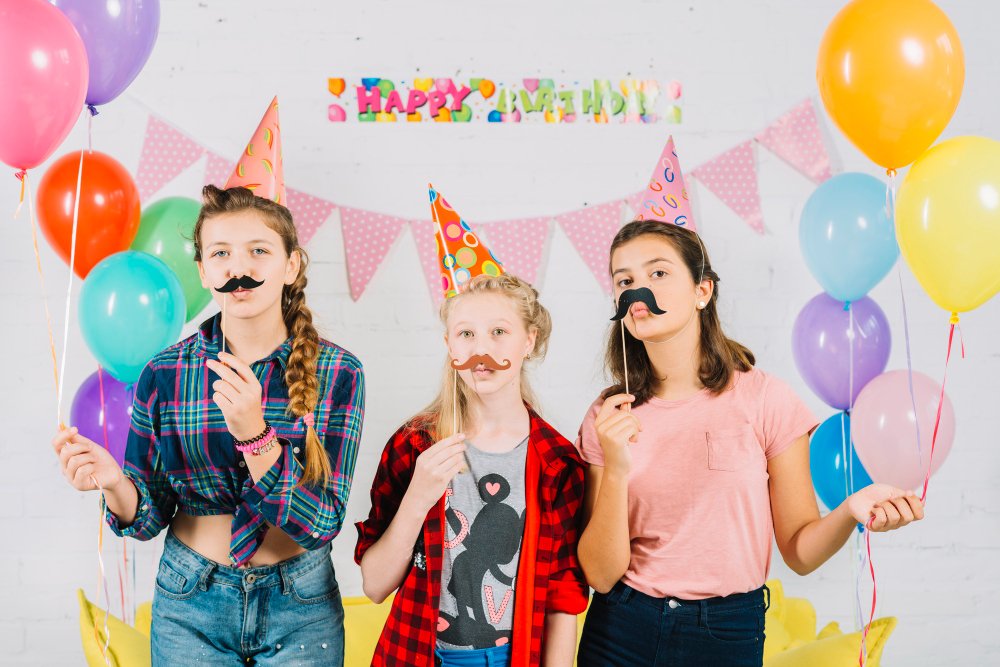
A designated photo booth creates lasting memories with minimal effort. I select a well-lit corner with enough space for guests to gather and pose.
I set up a backdrop consistent with the party theme using streamers, balloons, or fabric. Providing a variety of props—hats, glasses, signs—adds fun and variety.
If you can, place a small table with a camera on a tripod or direct guests to use their phones. A sign with instructions keeps the area user-friendly. Good lighting and an uncluttered background are key to clear photos.
Personalized Touches
Adding meaningful details can make a birthday party feel unique and well thought out. Small efforts in decoration and favors can leave a lasting impression on both kids and parents.
Custom Banners and Signs
I find custom banners and signs essential to set the tone for the party. Using your child’s name, age, or favorite characters on these decorations makes the space feel personal. You can create these at home using craft paper, markers, or printable templates to save money.
Choosing colors and fonts that match the party theme strengthens the overall look. For example, for a superhero theme, I use bold, bright colors and dynamic lettering. Hanging banners near the entrance and the gift table highlights key areas and welcomes guests in a festive way.
Handmade Party Favors
Handmade party favors add a personal element that store-bought items often lack. I like to create simple, themed gifts that kids will enjoy and remember. Examples include small craft kits, personalized stickers, or homemade cookies in decorated bags.
When I make favors, I consider ease of assembly and meaningfulness. Adding a thank-you note or the child’s name on each favor enhances the personal touch. It also gives guests something special that reflects the effort put into the party.